













Felixspin Casino Login Without Errors

In 2026 Felixspin is available in Italy for adult users: login, verification, and registration must be managed with order.

Fortune Gems 2 Slot

Table of Contents

  • The Dog House Megaways Slot
  • Lucky Joker 10 Extra Gifts Slot
  • Sword of Ares Slot
  • Floating Dragon Hold & Spin Slot
  • Leprechaun Riches Slot
  • Fruit Cocktail Slot
  • The Dog House Megaways Slot
  • Sword of Ares Slot
  • Fruit Million Slot
  • The Dog House Megaways Slot
  • Big Fisherman Slot
  • Big Fisherman Slot
  • Seven Books Unlimited Slot
  • Felixspin Fortune Slot
  • Sword of Ares Slot
  • Floating Dragon Hold & Spin Slot
  • 9 Mad Hats Slot
  • Floating Dragon Hold & Spin Slot
  • Big Bass Splash Slot

Felixspin Casino Sign Up With Less Friction

Opening an account on a gaming platform seems like a quick action, but it's actually the point on which the quality of everything that follows depends. If the registration starts confusingly, then access, verification, payments, and subsequent sessions will also tend to carry small frictions. Therefore, it's worth treating registration not as a step to be rushed, but as the operational basis of the entire profile.
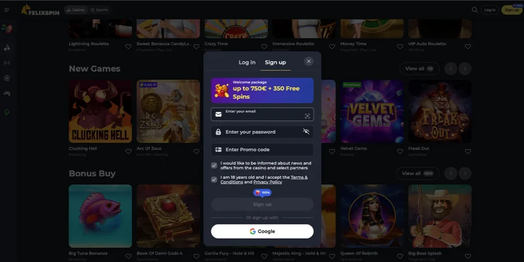
Login 1

Imagine a very common situation. You have your phone in hand, you're looking at something else, and you think you can complete everything in a few minutes. That's exactly where minimal but annoying errors arise: an email address written in haste, a password chosen without attention, a number entered almost out of habit. None of these details seem important at first, but they can all weigh heavily when you want to recover access or fix your account.

A well-done opening follows a simple logic. First, prepare the context, then fill it out, then reread, then confirm. Those who start this way find themselves with fewer doubts, fewer corrections to make, and an easier-to-manage account even when time is short.

Felixspin Registration And Clean Data

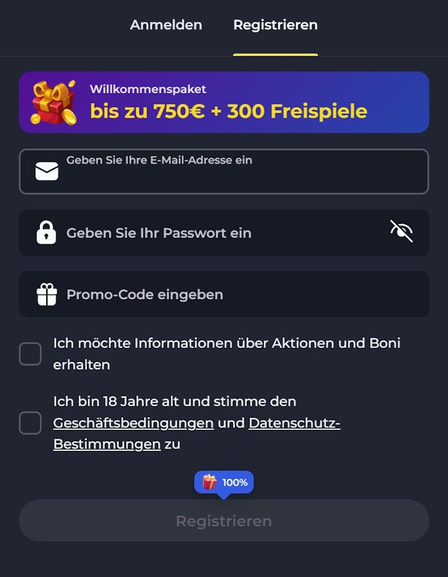
Registration works best when treated as an administrative operation, not as a prelude to be quickly closed to get to the game. Name, main contact, password, and essential data should be entered once and correctly. The cleaner the profile is born, the fewer problems it carries into subsequent phases.

Imagine registering at the end of the day, with your head already tired and the battery almost dead. It's not a strange scene, but it's perfect for lowering attention. More organized players do the opposite: document nearby, phone charged, and a few minutes without continuous notifications. It's a small difference at the beginning, but huge later.

Understanding the First Login Without Rushing

The first login should not just be for entering. It should also be for orientation. Once the account opening is complete, it's advisable to use the initial login to understand where the profile, history, personal limits, payment area, and support are located. This step removes a lot of confusion from subsequent phases.

Login 2

Imagine entering for the first time and not immediately rushing to the deposit or the lobby. You look at the balance, observe where the movements are, check the account menu, and then exit. This small exploration is one of the most effective ways to make the environment more familiar before you actually use it.

Many users skip this moment and then find themselves searching for every function while already doing something else. In that context, the platform seems more complicated than it is. Not because anything is missing, but because the user arrives at the important screens without a minimal mental map.

Difference Between Entering and Knowing Where You Are

Logging in doesn't mean having control yet. It only means being inside. Control comes when you know where to look, where to return, how to check the balance, and how to find recent movements without panicking. This difference is crucial, especially for those who usa their phone and quickly switch between screens.

Think of a user who enters during their lunch break, looks at two sections, then loses the thread and can no longer remember where the account history was. It's not a serious problem, but it immediately reveals how useful a first exploratory tour done calmly is. If you learn the structure of your profile early, you'll use it better later on.

Access from Phone and Context Management

On the phone, everything seems faster and lighter. That's precisely the risk. When the device is already in hand, accessing the account can seem like a small action among others, almost automatic. To use it well, a clearer decision is needed: open the account because you have a specific purpose, not just because the smartphone is already on.

Imagine checking messages, news, and then entering the platform "just for a moment." If you don't already know what you want to do, you'll start jumping between sections without a clear logic. Those who maintain more order usually enter for a specific reason, do what they planned, and then close. Context matters much more than it seems.

Profile, Verification, and Initial Settings

After registration and the first login, the most useful step is to organize your profile. No major operations are needed. Instead, you need to check that the data is consistent, that the settings make sense, and that the account doesn't already carry small doubts. This is the moment when a profile truly becomes usable.

Login 3

Verification weighs much less if tackled in a calm phase. Many users postpone it because they consider it tedious. But then they find themselves thinking about it at the least opportune moment, perhaps when they want to arrange a transaction on their balance or are already short on patience. Sorting out what's needed early reduces pressure on later stages.

Imagine wanting to check your account at the end of the evening and realizing just then that a detail in your profile doesn't convince you. Nothing dramatic, but now you have to stop, recheck, and reconstruct what you could have clarified at the beginning. An organized profile makes everything less burdensome.

Budget, Deposit, and Choices Before the Checkout

The checkout is not the point where the player should decide the budget. That decision should be made a few minutes earlier. When you open the payment screen, you see amounts, buttons, and a flow that invites you to proceed. If you haven't already chosen an amount, it's very easy to adapt to the moment instead of a plan.

Imagine having half an hour free and being ready to start. If you open the checkout without knowing how much to use, you are delegating the decision to the interface. More organized players do the opposite: they set the amount outside the payment screen, link it to the session time and the maximum limit they want to respect, then open the checkout only to execute what they have already decided.

Even the choice of method deserves simplicity. Initially, it's best to use one main method, as it makes the history more readable and reduces doubts when you want to reconstruct the evening's movements. The fewer variables you have, the clearer your account remains.

Account Area

What to Check

Why It Helps

Useful Habit

Profile Opening

Complete and consistent data

Reduces subsequent corrections

Reread everything before confirming

First Deposit

Amount decided in advance

Avoids impulsive choices

Set the budget outside the checkout

Initial Session

Maximum available time

Maintains order in rhythm

Use a simple timer

History

Type and date of movements

Helps reconstruct operations

Review it at the end of use

Final Exit

Balance and complete logout

Avoids automatic re-entries

Always close the account

When to Stop Before Adding More Balance

The second deposit is often the point where the session changes tone. The first one usually fits into the plan. The second one arises more easily from a reaction: staying a little longer, fixing a bad evening, or chasing a momentary feeling. It's precisely there that you see if the player is still following a criterion or not.

Imagine you've already used the amount you decided on and think a small sum could fix everything. It's a common thought. Precisely for this reason, it's advisable to decide on a very simple rule beforehand: only one reload per session, or none beyond the initial one. Rules set in advance almost always work better than those invented while you're already in the flow.

Lobby, Time, and Session Management

Once you've truly entered the platform, the most common risk isn't a technical error. It's losing the rhythm. You open one section, then another, then go back, then check the balance again, and after ten minutes you no longer remember what idea you started with. This happens especially on smartphones, where switching between screens seems much lighter.

Imagine having twenty or thirty minutes after dinner. You want a clear session, not a confused tour of every corner of your account. In this case, it's advisable to decide beforehand on the type of experience you want: profile check only, short session, a specific section, or simple balance verification. The more defined the direction, the less the platform drags you into dispersive use.

Time, too, is perceived poorly on the phone. Fifteen minutes become thirty almost without obvious signs. That's why a simple timer, even external to the platform, is more useful than it seems. When time remains visible, the relationship with the balance also improves.

Why Closing Matters Almost as Much as Entering

Many users believe the session ends when they stop playing. In reality, it ends when they check their balance and essential transactions, log out, and truly close the account. As long as the platform remains open in the background, returning is too easy and too thoughtless.

Imagine leaving your account open while you continue to use your phone for other things. A moment of boredom is enough to return without truly deciding to. More organized players use a simple final sequence: they check their account, exit, close the app or browser, and switch activities for a few minutes. This small distance helps much more than good intentions.

Effective Security, Privacy, and Support

Mobile security doesn't just depend on the platform. It also depends on how you use the device. Screen lock, visible notifications, saved passwords, and switching between different networks directly change the level of control you feel over your account. A bad digital habit can create more friction than an unintuitive interface.

Imagine sharing a table or sofa with other people and leaving your phone on after a session. A too-readable notification or a screen left open can compromise your privacy without you immediately noticing. A careful user protects not only the password but also the context in which usa the account.

When you need assistance, how you describe the problem is crucial. A message like "it's not working" only releases frustration. A helpful message, however, explains what you were doing, with which device, on which network, and at what point in the process you arrived. This helps the reader truly understand the situation.

How To Write To Support Usefully

If you want a practical answer, you need to help support reconstruct the context. Imagine you had a problem during login from your phone or immediately after an account procedure. If you describe it precisely, the person responding already has a clear scene to start from. If you remain generic, the answer risks being generic too.

Usually, a few elements are enough: what you were doing, with which device, on which network, and what you have already tried. It's a more organized and less nervous way of writing, but also much more effective. Clarity here is worth more than venting.

Responsible Gambling In Italy In 2026

In 2026, talking about responsible gambling only makes sense if it remains concrete. Felixspin is available in Italy for adult users, and this means its use should stay within clear personal limits, real breaks, and decisions made before starting. It's not enough to say you'll play in moderation. You need to turn that phrase into a routine that holds up even on tired days.

Imagine a tough evening, with little patience and your phone already in hand. That's precisely when it's best to stop and ask yourself if you are truly choosing to log in or if you are just reacting to boredom or nervousness. Many unproductive sessions start this way. Not from a technical problem, but from automatic access.

Control tools exist for this purpose. Spending limits, temporary breaks, visible history, timeouts, and self-exclusion when necessary are not obstacles. They are practical ways to bring the account back within a clear perimeter. Organized players don't just rely on willpower in the moment. They prepare a context that helps them respect their limits.

A very useful practice is to separate administrative time from playtime. One day you can log in just to check your balance, transactions, and settings. Another day, if you wish, you can dedicate a specific slot for a session. When these two functions remain distinct, the platform occupies less mental space, and it becomes easier to understand why you are opening it at that particular moment.

FAQ

Good preparation starts with a few concrete elements: a charged phone, a stable network, a document nearby, and a few minutes to do nothing else. First, log in to understand where the profile, history, support, and settings are. Only then consider the more operational part. This order reduces errors and makes the account much easier to manage.

It's advisable during a quiet moment, with full attention and without rushing to start playing immediately. Registering while doing something else often leads to small errors in email, number, or password. These details seem minor, but they become a burden later when you need to recover access or fix your profile. Better a few good minutes than a rushed procedure.

Because the choice made before checkout is almost always clearer than the one made on the payment screen. When you are already ready to start, the interface encourages quick action. If you arrive with a figure already linked to a specific time and a maximum limit, the deposit remains a technical gesture and doesn't become the moment you improvise everything.

The most useful rule is not to repeat the command immediately. First, it's advisable to check recent transactions, wait for the screen to update, and verify if the operation has already been registered. Many problems arise from the second attempt made in panic, not from the initial small delay. One extra check weighs less than a double wrong action.

On the phone, time is perceived poorly, so an external framework is needed. A predetermined end time, a simple timer, and a clear objective are often enough to maintain control. Without this structure, it's easy to go from a quick login to a much longer stay, almost without realizing it. Initial clarity is worth more than the feeling of the moment.

When you feel you are changing plans while already in the session. If you add unplanned steps, exceed the decided time, or think about another deposit just to stay longer, it's probably time to close. Stopping early is almost always more useful than trying to restore order while continuing to stay in the account.

It's not enough to stop using the platform. It's advisable to check your balance and essential transactions, log out, truly close the app or browser, and switch activities for a few minutes. Even putting the phone in another room helps create a clearer final boundary. True closure isn't a detail: it's part of account management.